
Filtration
Bag and Cartridge Filter Housing Replacement in Portland: When to Stop Patching and Start Planning
Control Factors Portland field notes · 8 min read
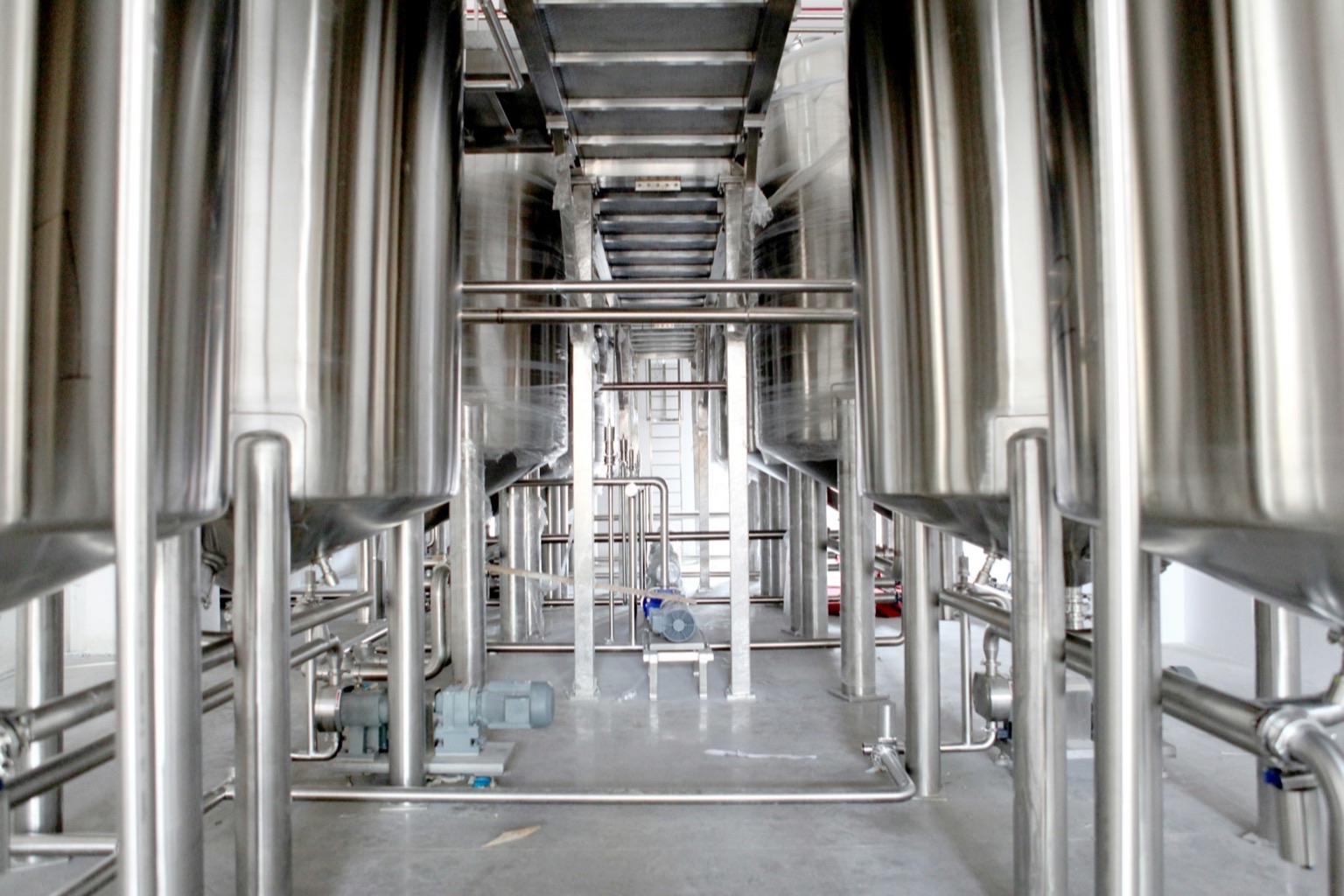
How Portland area plants can tell when a bag or cartridge filter housing needs replacing instead of another element: corrosion and seal warning signs, bag versus cartridge trade-offs, material and code considerations, and the specs to have ready before you order.
A lot of maintenance teams keep swapping filter elements long after the real problem is the housing itself. The bag or cartridge does its job for a while, then the differential pressure climbs faster than it used to, or a gasket starts weeping no matter how many times it's replaced. At some point the housing is the bottleneck, not the media, and no amount of fresh elements fixes that.
This matters more in a region like ours, where process water chemistry, seasonal temperature swings, and a mix of food, beverage, water treatment, and industrial plants all pull from the same handful of housing styles. Knowing when to repair versus replace saves money. Replacing too early wastes it. Replacing too late means unplanned downtime, which costs more than either option.
Signs the Housing Needs Replacing, Not Just a New Bag or Element
Corrosion is the most obvious tell. Once pitting shows up on the inside of a carbon steel or lower-grade stainless shell, it's not going to stop on its own, and it eventually compromises the seal surface where the lid meets the vessel. If you're re-torquing the same clamp or bolt ring every few weeks just to stop a leak, that's the housing telling you it's done, not a gasket problem.
Warped lids and out-of-round baskets are another sign. A basket that no longer seats evenly lets unfiltered product bypass the media, which defeats the entire point of the filter. If your quality team has started flagging inconsistent results downstream, or if an operator has to force a lid closed, it's worth having someone look at the actual housing geometry rather than just ordering another case of bags.
And then there's simple age and duty cycle. A housing that's been in continuous service since before anyone on the current shift was hired has probably earned retirement, especially if it's running a different flow rate or chemistry than it was originally sized for. Plants change their processes over the years far more often than they change their filter housings, and a mismatch between the two shows up as chronic pressure drop problems that nobody can quite explain.
Bag Housings vs Cartridge Housings: What Actually Changes in a Swap
Switching from a bag housing to a cartridge housing, or the reverse, is a bigger decision than it looks. Bag housings are generally simpler and cheaper to run for high-flow, higher-solids applications, while cartridge housings tend to deliver tighter micron ratings and are easier to validate in applications where particle control really matters. Neither is universally better; it depends on your flow rate, the contaminant load, and how tight your filtration spec actually needs to be.
The mistake we see most often is sizing a replacement housing to match the old one's footprint instead of the plant's current flow rate. A housing that was right for a process running at half the current throughput will just mean more frequent changeouts and higher pressure drop, even if the media inside is excellent. This is where it pays to have someone run the numbers before you order steel, not after it's installed.
If you're not sure which direction makes sense for your application, that's a conversation worth having before you sign off on a replacement. Our Filtration & Separation team works through this with plants fairly often, comparing housing styles from manufacturers like Rosedale Products, Filter Specialists, and Eaton Filtration against the actual duty the system is seeing day to day.
Materials and Codes Matter More Than People Expect
Housings aren't one-size-fits-all pieces of pipe with a lid. Material selection affects corrosion resistance, pressure rating, and how the vessel handles cleaning chemicals if you're running CIP cycles. A food or beverage plant has different sanitary requirements than a water treatment facility, and a chemical process line has different compatibility concerns than either one. Getting this wrong doesn't usually show up on day one; it shows up eighteen months later as unexplained pitting or a seal that won't hold anymore.
We had a call a few winters back from a plant whose housing cracked at a weld seam right before a planned shutdown. There wasn't much lead time to work with, but because the application details were already on file from a prior order, we were able to get the right replacement specified and moving the same week, instead of the plant guessing at a generic size out of a catalog. That kind of turnaround only works when someone actually understands the application, not just the part number.
Regional conditions matter too. Plants across Oregon, Washington, and Idaho deal with everything from municipal water variability to aggressive CIP chemistry, and a housing that performs fine in one setting can struggle in another. If you're unsure what alloy or seal material fits your actual conditions, it's worth asking rather than assuming the old spec still applies.
Getting the Right Housing the First Time
A proper replacement starts with a few straightforward questions: current flow rate, required micron rating, fluid chemistry, operating temperature and pressure, and how the housing will be cleaned or serviced. Skipping any one of these tends to show up later as a housing that's technically installed but never quite performs the way it should.
It also helps to think about availability. Sixteen manufacturers stand behind the filtration and process component lines we carry, which means there's usually more than one housing style that fits a given application, and more than one lead time option if something needs to move fast. You can browse what's currently stocked and available through the line card before you commit to a specific design, which saves a round of back-and-forth later.
For plants weighing a housing replacement against a broader look at their steam or utility side, it's also worth running the Steam Trap Savings Calculator while you're at it. Filtration and steam systems don't seem related on the surface, but maintenance budgets are usually shared, and knowing where the bigger payback sits helps prioritize which project goes first.
What Working With Control Factors Portland Looks Like
Control Factors has been doing this work since 1985, representing manufacturers across filtration and separation as well as process flow components, and we ship factory-direct anywhere in the country. Our team works from home offices across the region rather than one storefront, which keeps us close to the plants we serve across Oregon, Washington, and Idaho instead of behind a desk somewhere else.
The promise is simple: a factory-trained sales engineer looks at your actual application, and you get a real answer within one business day. We're not trying to sell you the biggest housing in the catalog; we're trying to get you the one that matches your process, your chemistry, and your budget. If your plant falls outside our core filtration and process component work, we're also glad to point you toward Agentic PNW, a fellow Pacific Northwest business we work with on the automation and controls side of projects that overlap with ours.
If you're not sure whether your current housing problem is a quick fix or a sign of something bigger, start with the contact page or a call, and bring whatever details you have on flow rate, chemistry, and current housing dimensions. That's usually enough to get a straight answer back fast, rather than a generic quote that may or may not fit your actual line.
FAQ
Q: How do I know if I need a new filter housing or just a new element?
A: If you're replacing elements more often than you used to, re-torquing clamps repeatedly, or seeing corrosion and pitting on the shell, the housing itself is likely the problem. A quick way to check is whether leaks or pressure drop issues persist immediately after a fresh element goes in.
Q: What's the difference between a bag filter housing and a cartridge filter housing?
A: Bag housings generally handle higher flow and higher solids loads at a lower cost per housing, while cartridge housings offer tighter, more consistent micron control. The right choice depends on your flow rate, contaminant type, and how strict your filtration spec needs to be.
Q: Can Control Factors replace a housing from a different manufacturer than the ones you represent?
A: In many cases yes, since replacement housings are specified around your flow rate, chemistry, and connection sizes rather than matching brand for brand. Reach out through the contact page with your current housing's specs and we can walk through the options.
Q: Does Control Factors serve plants outside the Portland metro area?
A: Yes, our coverage runs across Oregon, Washington, and Idaho, and we ship factory-direct anywhere in the USA regardless of location. You can see the full coverage area on the service area page.
Tell us the service conditions. We will bring the right line.
Request a Quote(503) 669-1185 · sales@cfactors.com