
Filtration
Industrial Filtration Systems: What Portland Oregon Plants Need to Know Before Buying
Control Factors Portland field notes · 7 min read
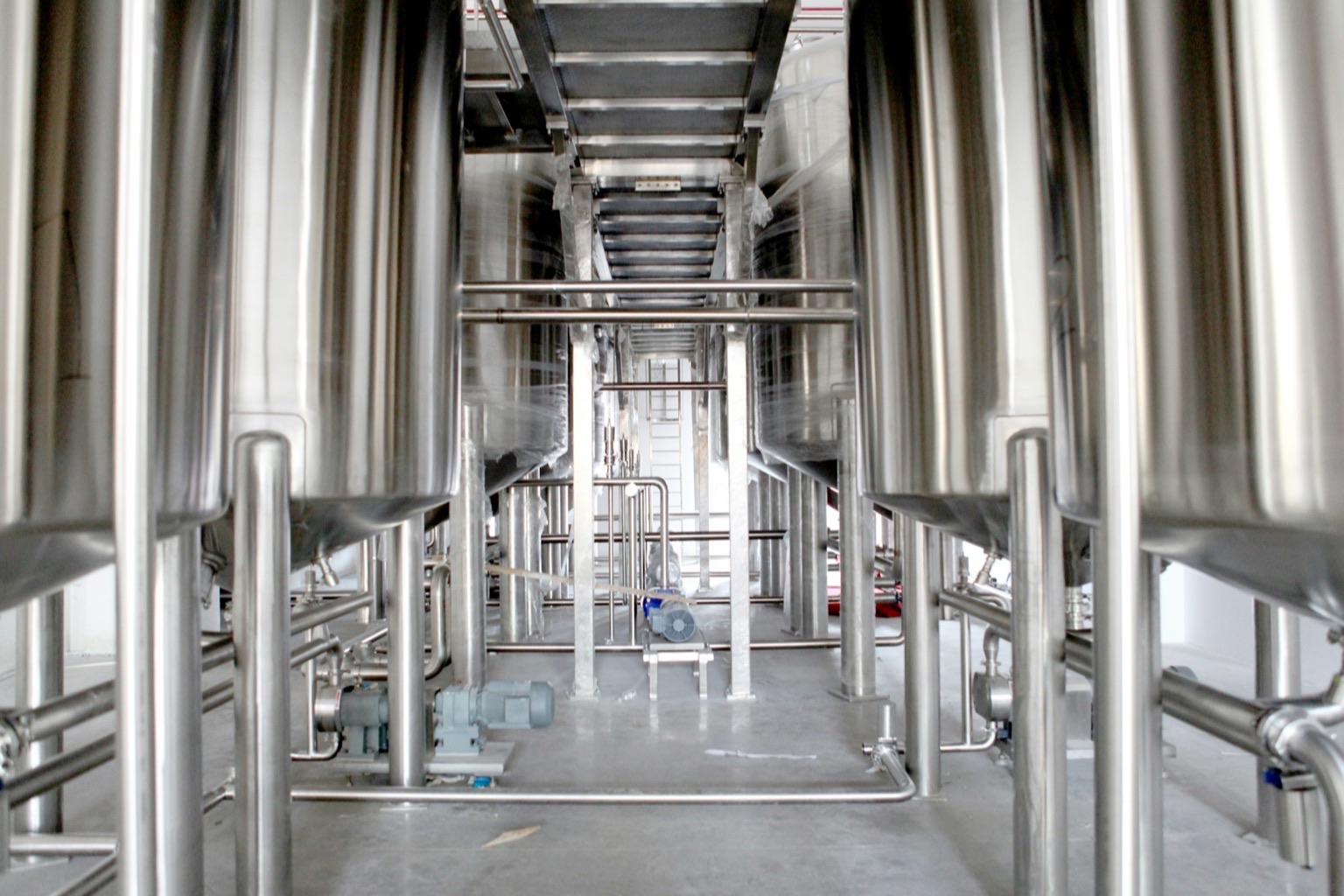
What Portland area plants should know before buying industrial filtration systems: matching media and housings to real process conditions, choosing between ten filtration manufacturers, and the questions worth asking before you sign a quote.
A plant maintenance lead in Vancouver once told us the cartridge housings on his skid had outlived three plant managers. That kind of longevity doesn't happen by accident. It happens because someone, at some point, matched the right media and housing to the actual process conditions instead of grabbing whatever was in the catalog.
That's the real question behind any filtration purchase: not just which brand, but which engineer is standing behind the recommendation. In the Portland area, plants in food processing, water treatment, chemical handling, and general manufacturing all have different pressure ratings, flow rates, and contamination tolerances. A supplier who treats all of that as interchangeable is going to cost you downtime later.
Why Local Sourcing Still Matters
Shipping a filter housing from a factory across the country is easy enough. Getting someone on the phone who understands your specific process, your water chemistry, or your particulate load is the harder part. Control Factors has operated continuously since 1985, which means the sales engineers answering calls have seen plenty of Pacific Northwest water systems, pulp and paper operations, and food plants come through their doors.
Being close to the region covered, Oregon, Washington, and Idaho, means a rep can talk through your specific skid layout or piping constraints without three rounds of email attachments. It also means replacement parts and emergency quotes move faster when someone local already understands your setup.
Matching Equipment to the Manufacturer That Built It For Your Problem
Bag filters, cartridge housings, and separation vessels all look similar from the outside, but the internals and media compatibility vary enormously between manufacturers. Control Factors represents ten filtration and separation manufacturers, including Rosedale Products, Graver Technologies, Filter Specialists (FSI), Eaton Filtration, and Cleanova US, each with different strengths depending on your micron rating, chemical compatibility, and flow requirements.
Rosedale tends to show up in bag filter applications where high dirt-holding capacity matters. Graver Technologies often gets pulled into water treatment and chemical process work where resin and activated carbon filtration are part of the picture. Picking between them isn't about brand loyalty, it's about which housing and media combination actually solves the contamination problem sitting in front of you. That's why browsing the line card before a call can save time, since it gives you a sense of which manufacturers fit your industry before you're on the phone explaining your whole process from scratch.
Separation Equipment Beyond the Filter Housing
Filtration rarely stands alone. Pressure vessels, strainers, and separation components all tie into the same system, and a mismatched component upstream can undo the best filter housing downstream. United Filters International and Filtration Technology Corporation both show up frequently in separation-heavy applications where solids need to drop out before the fluid ever reaches a cartridge or bag housing.
Jonell-Nowata-Kaydon covers a different niche entirely, often handling coalescing and particulate separation in oil and gas or compressed air systems. None of this is guesswork when you've got the right manufacturer's engineering behind the recommendation, and that's the value a manufacturers' rep adds that a generic distributor usually can't.
Steam, Process Flow, and the Other Half of the Business
Industrial plants rarely run on filtration alone. Control Factors also represents six process flow manufacturers, including Spirax Sarco for steam systems, Warren Controls for control valves, and Hayward Industrial Products for flow components, under a second technical division with its own engineering desk. If your plant has steam traps that haven't been surveyed in years, it's worth running the numbers through the steam trap savings calculator to see what failed traps are actually costing in wasted energy.
A lot of plants treat filtration and steam systems as separate budget lines, but they're often part of the same process train. Having one engineering desk that understands both sides means fewer dropped handoffs between departments when a project touches both.
What to Ask Before You Sign a Quote
A quote with a part number and a price doesn't tell you much. Before committing, ask what micron rating the housing is rated for under your actual flow conditions, not just the manufacturer's standard test. Ask whether the media is compatible with the chemicals or temperatures in your specific process, and ask what the lead time looks like if a gasket or cartridge fails on a Friday afternoon.
Sales engineers who've been factory-trained should be able to answer these without putting you on hold to call someone else. Control Factors' promise is a real answer within one business day, which matters more than it sounds like when a plant is down and waiting on a part number confirmation.
Industries Served Around the Region
Food and beverage plants, water and wastewater treatment facilities, chemical processors, and general manufacturing all draw on different parts of the filtration and process components line card. A dairy plant's sanitary requirements look nothing like a chemical plant's corrosion resistance needs, even though both might use a cartridge housing that looks similar on paper. Checking the industries page gives a sense of which manufacturers and configurations tend to fit which sector, though a phone call will always get more specific than a web page can.
Plants outside the immediate Portland metro area aren't left out either. The service area stretches across Oregon, Washington, and Idaho, and factory-direct shipping means a plant in Boise gets the same support as one in Beaverton. For a close look at where the territory ends, the service area page lays out the full coverage.
A Quick Word on Related Trades
Industrial plants dealing with filtration upgrades sometimes have other facility projects running at the same time, solar panel cleaning among them, since dust and buildup on rooftop arrays can cut into efficiency the same way a clogged filter cuts into flow. For that kind of work, plants in the area sometimes ask about Northwest Solar Clean, a local outfit that handles panel cleaning separately from any filtration or process work.
Getting Started
The easiest way to sort through sixteen manufacturers and two technical divisions is to just describe the problem out loud. A ten-minute phone call usually narrows down which filtration family and which manufacturer fits before any paperwork gets involved. Reaching the team at (503) 669-1185 or through the contact page gets that conversation started, Monday through Friday, 8 AM to 5 PM Pacific.
Resources on the site also cover technical details for plants doing their own preliminary research, available at the resources page, which includes background on media types, housing materials, and common application notes across the represented manufacturers.
FAQ
Q: What industries use industrial filtration systems from Control Factors Portland?
A: Food and beverage, water and wastewater treatment, chemical processing, and general manufacturing are among the most common. The specific manufacturer and housing type depends on the plant's flow rate, chemical compatibility, and sanitary requirements.
Q: How many filtration manufacturers does Control Factors represent?
A: Ten manufacturers fall under the filtration and separation division, including Rosedale Products, Graver Technologies, Filter Specialists, Eaton Filtration, and Cleanova US. Each one specializes in different media types, micron ratings, or application niches.
Q: Does Control Factors ship filtration equipment outside the Portland area?
A: Yes, the company ships factory-direct anywhere in the USA, though its core service area covers Oregon, Washington, and Idaho. Plants further out still get the same sales engineering support as those closer to Portland.
Q: How quickly can I get a quote for a filtration system?
A: Control Factors promises a real answer within one business day from a factory-trained sales engineer. Calling (503) 669-1185 or emailing sales@cfactors.com during business hours is the fastest way to start that process.
Tell us the service conditions. We will bring the right line.
Request a Quote(503) 669-1185 · sales@cfactors.com