
Tank Venting
Finding a Pressure Relief Valve Supplier in Portland, Oregon
Control Factors Portland field notes · 7 min read
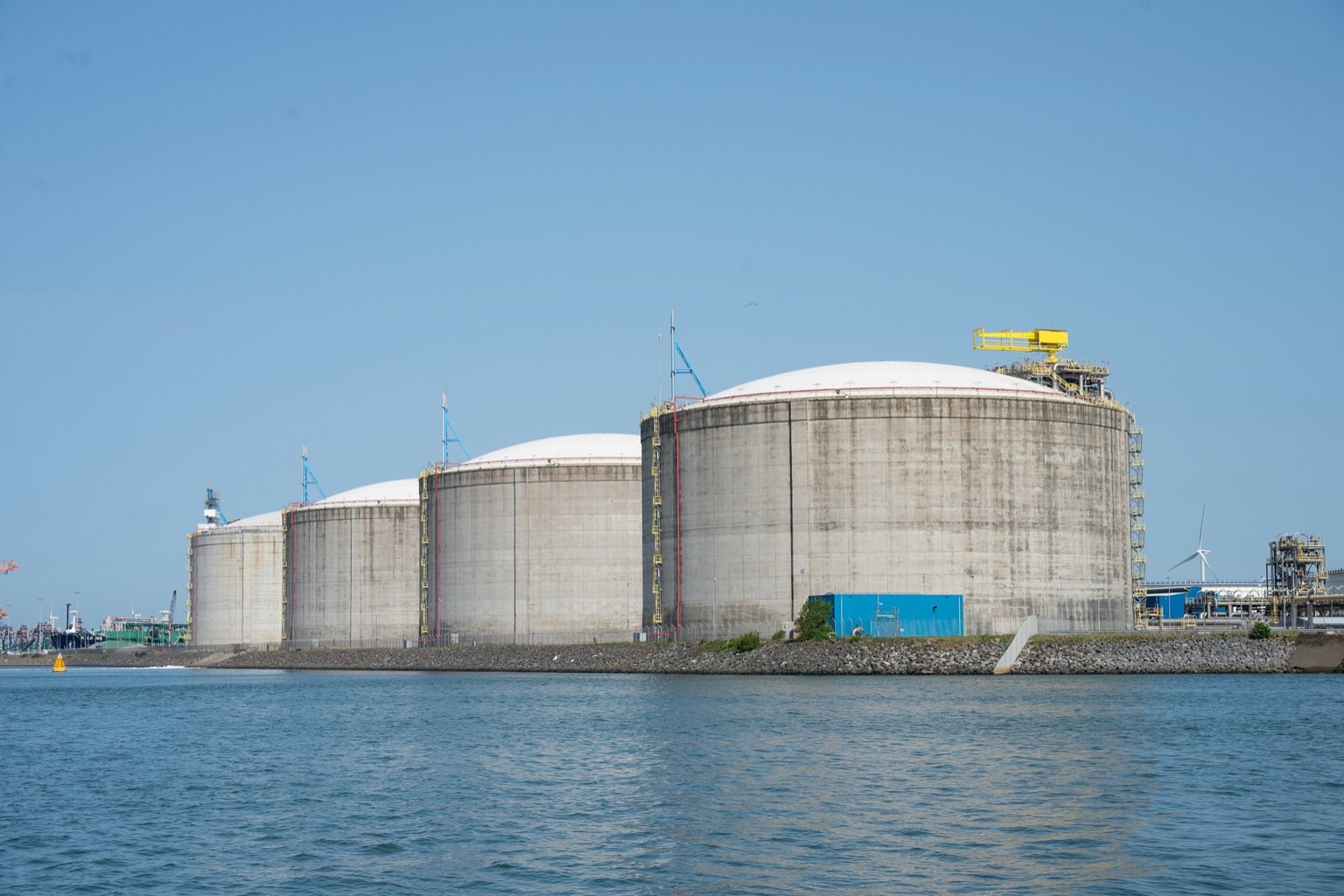
How to source a pressure and vacuum relief valve for a Portland area tank, the warning signs that a valve needs replacing instead of patching, and why local application support beats ordering off a spec sheet.
A tank that can't breathe is a tank waiting to fail. Pressure and vacuum relief valves are the part of a storage system most people never think about until one sticks, and by then it's usually an emergency instead of a maintenance item. If you run tanks, reactors, or process vessels anywhere around Portland, Oregon, sourcing the right relief valve from someone who actually understands the application matters more than most plants realize until the day it doesn't.
What a Pressure Relief Valve Actually Does
A pressure/vacuum relief valve protects a tank from two opposite problems at once: too much pressure building up inside, and too much vacuum pulling in when the tank empties or cools. Either one can deform a tank wall or worse. These valves sit on top of storage tanks holding flammable liquids, chemicals, or process fluids, and they're built to open at a precise set point and reseat cleanly afterward.
We represent PROTEGO, a manufacturer that's been building pressure and vacuum relief valves and flame arresters for tank protection for decades, as part of our process flow components line. PROTEGO equipment shows up in refineries, chemical plants, food and beverage facilities, and anywhere else a tank needs to vent safely without becoming an ignition risk. If your plant is still running an old spring-loaded valve that was installed before anyone currently on staff was hired, it's worth having someone take a second look.
Signs It's Time to Replace, Not Patch
Relief valves don't usually fail all at once. They drift. A set point creeps, a seat gets a little pitted, a gasket hardens after a few seasons of temperature swings, and suddenly the valve is opening early or not resealing tight. None of that shows up on a walk-through inspection unless someone is specifically testing it.
A few things worth flagging to your maintenance team or to us directly:
The valve is original equipment and nobody can find service records for it.
You've had a tank overpressure or vacuum collapse event, even a minor one.
The process fluid, temperature, or tank contents have changed since the valve was sized.
Corrosion is visible on the housing or seat.
Your insurance carrier or auditor flagged it during a walk-through.
Any one of those is reason enough to get a sales engineer out to look at the application rather than just swapping in a like-for-like replacement. Sizing a relief valve correctly depends on tank geometry, fluid properties, and fill/empty rates, and guessing is how you end up either under-protected or venting product you paid for.
Why Local Support Matters for Relief Valves
A relief valve is not a part you want to order off a spec sheet and hope for the best. Set pressures, materials of construction, and flame arrester requirements all depend on details specific to your tank and your process, and a supplier who can walk the application through with you before the order goes in saves everyone a round of returns and re-engineering later.
Control Factors Portland has operated since 1985, which means we've seen plenty of tank farms, chemical storage areas, and process vessels across Oregon, Washington, and Idaho go through their full life cycle, from original install to eventual replacement. We're a manufacturers' representative, not a big-box distributor, so when you call about a PROTEGO valve you get someone who can talk through set points and reseating pressure, not just read a part number off a screen. You can see the rest of what falls under that side of the business on our process components page.
We've had calls come in on a Friday afternoon about a tank vent that failed an inspection that same morning, with an audit scheduled for Monday. That's exactly the kind of situation our factory-trained sales engineers are set up for, a real answer back within one business day instead of a voicemail that sits until the following week.
It's Not Just About the Valve
Tank protection usually touches more than one piece of equipment. A relief valve might be paired with a flame arrester, a vent system, or filtration upstream to keep particulate out of the line in the first place. If your plant is also dealing with filtration issues on the same system, it's worth looking at our filtration and separation offerings while you're at it, since a clogged filter upstream can be part of why a relief valve is cycling more than it should.
We also hear from plants doing broader facility work at the same time they're fixing tank protection, and we're happy to point people toward other local businesses we trust for adjacent work. If your project also touches tank lining, coatings, or surface refinishing, ask about Bathroom Surface Solutions, a local business we work with on referrals.
Who This Matters To
Relief valves aren't limited to refineries. Food and beverage plants, chemical processors, pulp and paper facilities, and water treatment operations all run tanks that need proper venting. We work across a range of sectors, and you can see the breadth of it on our industries page. If you're not sure whether your tank setup falls under a code requirement for relief protection, that's a reasonable first question to bring to a sales engineer rather than guess.
Working With Control Factors Portland
We're based out of La Center, Washington, with a team working from home offices rather than a single storefront, and we cover Oregon, Washington, and Idaho as our core service area. Because we represent sixteen manufacturers across two divisions, filtration and separation on one side and process flow components like PROTEGO on the other, we can usually solve a tank protection problem and whatever's feeding into it without passing you between vendors.
If you want to see what else falls under our process components and filtration lines before you call, the line card is the fastest way to browse it. And if you're trying to get a handle on steam system losses while you're already thinking about plant maintenance, the steam trap savings calculator on our resources section is worth five minutes.
Getting a quote is straightforward: call, email, or use the contact page, and include your tank specs, fluid type, and current valve information if you have it. The more detail you can hand over up front, the faster we can get back to you with something accurate instead of a placeholder number that changes twice before the order ships.
FAQ
Q: What is a pressure/vacuum relief valve used for?
A: It protects a storage tank from both overpressure and vacuum collapse by opening at a set point and venting safely. Without one, a tank can deform or fail during normal filling, emptying, or temperature changes.
Q: Does Control Factors Portland sell PROTEGO valves?
A: Yes, PROTEGO is one of sixteen manufacturers we represent, specifically under our process flow components division. Our sales engineers can help size and spec a valve for your specific tank and application.
Q: How do I know if my relief valve needs replacing?
A: Warning signs include missing service records, visible corrosion, a recent overpressure or vacuum event, or a change in the process fluid or tank conditions since the valve was originally sized. Any of these is a good reason to have someone review the application rather than replace it on a guess.
Q: What areas does Control Factors Portland serve?
A: We cover Oregon, Washington, and Idaho, and we ship factory-direct anywhere in the USA. Our team works from home offices with a central office in La Center, Washington, and you can reach us by phone or through the contact page for a quote.
Tell us the service conditions. We will bring the right line.
Request a Quote(503) 669-1185 · sales@cfactors.com