
Overpressure Protection
Rupture Disk Basics: When a Disk Beats a Relief Valve
Control Factors Portland field notes · 5 min read
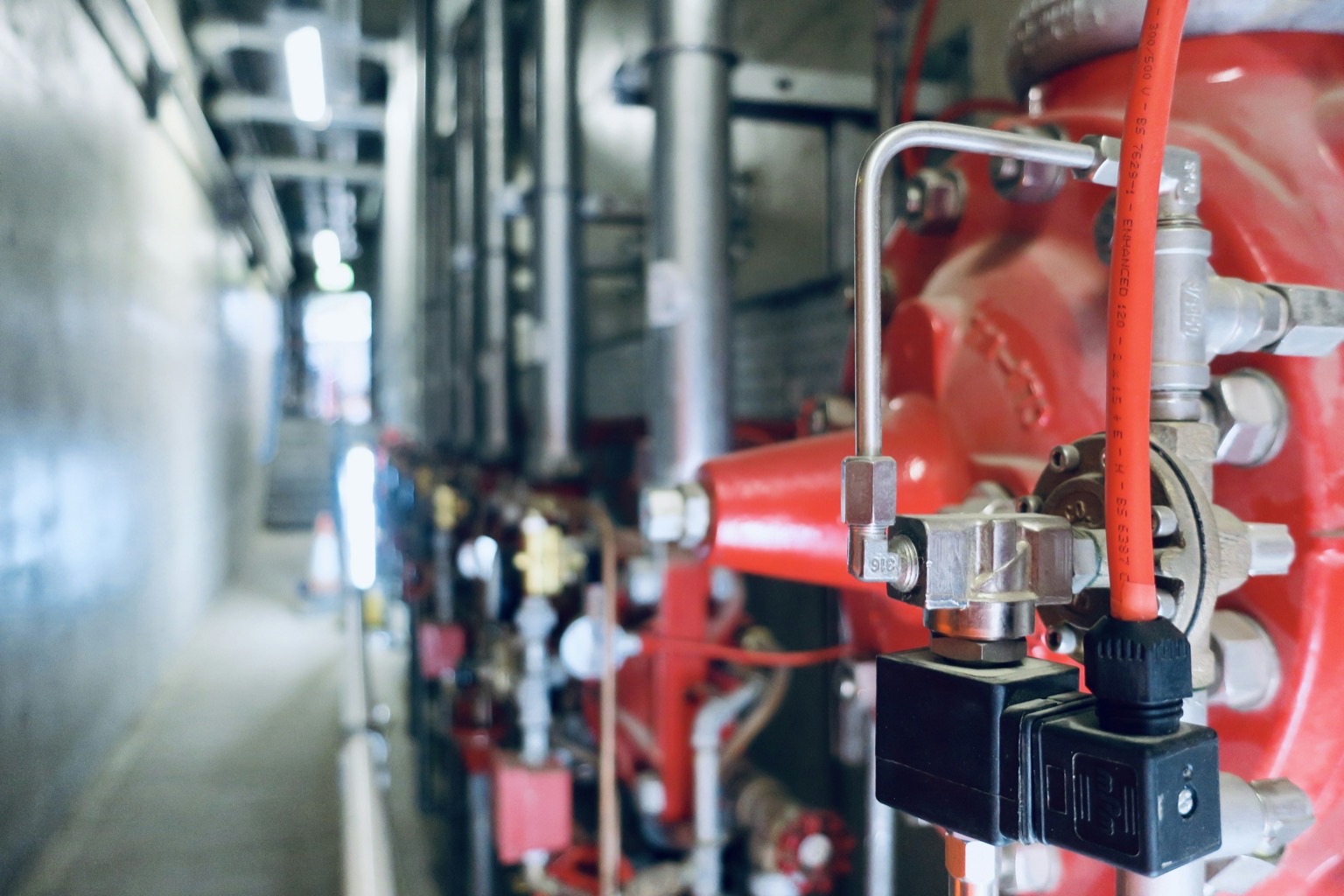
Instant full-bore relief, zero leakage, and no moving parts. Where rupture disks outperform relief valves, and where the two belong together.
A rupture disk is a sacrificial membrane engineered to burst at a precise pressure. No moving parts, no simmer, no leakage until the event. That simplicity is exactly why disks solve problems that relief valves handle poorly.
Where disks win
- Corrosive or fouling service, where valve seats foul and springs corrode.
- Processes that demand zero leakage, because a disk is a hermetic seal until it bursts.
- Fast-rise events such as runaway reactions and dust explosions, where a disk's millisecond full-bore opening beats any valve's dynamics.
- High-purity or sanitary service, where Zanitary-type disks avoid the crevices valves carry.
Disks and valves together
The most common engineered combination is a disk under a relief valve: the disk keeps the process sealed and corrosives off the valve internals, and the valve re-seats after the event so the plant keeps running. The combination needs a burst indicator or gauge in the space between, so a pinhole disk leak is detected before it pressurizes the valve inlet.
Selection inputs
- Burst pressure and temperature
- Operating ratio (how close normal pressure runs to burst)
- Media and corrosion
- Cycling duty
- Vacuum or back-pressure
- Holder details
Reverse-acting disks tolerate higher operating ratios and vacuum without support; forward-acting designs are simpler and economical; graphite handles the worst chemistries. ZOOK's range, which we represent, covers all three plus NFPA-rated explosion vent panels for dust collectors. Send the conditions and we will size it with the factory.
Tell us the service conditions. We will bring the right line.
Request a Quote(503) 669-1185 · sales@cfactors.com