
Filtration
Strainer Selection: Simplex, Duplex, Y, or Self-Cleaning
Control Factors Portland field notes · 5 min read
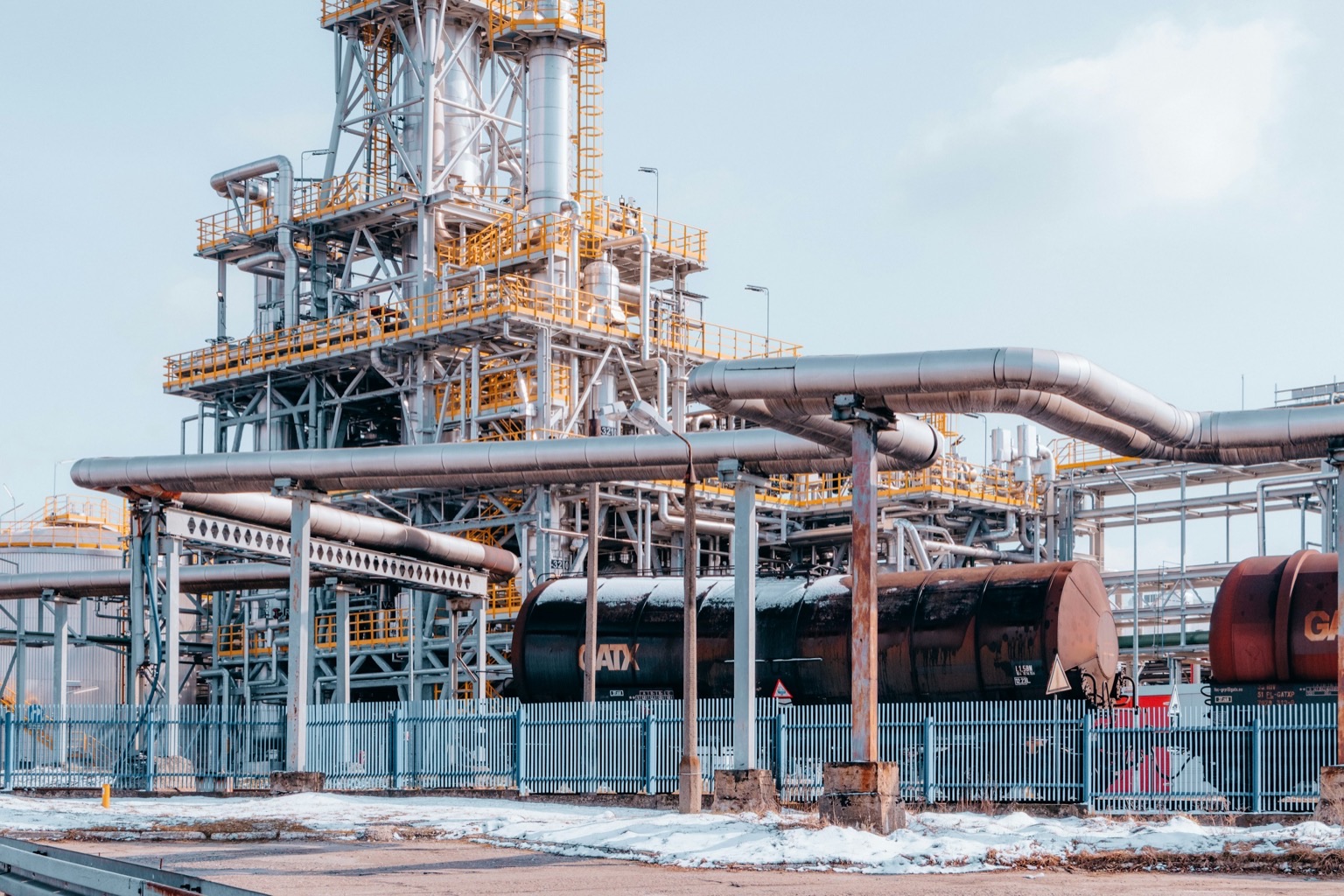
The right strainer protects the pump and never stops the line. The wrong one becomes the line. A short guide to the four main types and when each applies.
A strainer exists to protect what is downstream: pumps, meters, valves, spray nozzles. Selection starts with one question: can the line be shut down to clean the basket? Everything else follows from the answer.
The four types
- Y-strainers are compact, cheap, and suited to dirty-service steam and gases or small liquid lines with light loading; they are cleaned by blowdown or by pulling the screen.
- Simplex basket strainers hold far more debris and clean fast, but the line must stop.
- Duplex strainers put two baskets in one body with a diverter, so the line never stops while one side is cleaned; they are the default for continuous processes.
- Self-cleaning (automatic) strainers backwash on a differential pressure signal and suit unattended or high-loading lines where labor is the constraint.
Sizing beyond line size
Match the strainer to the pipe size as a starting point, then check open area ratio, perforation or mesh against the particle to be stopped, and the resulting clean pressure drop. A strainer sized only by line size will eventually blind off or pass what it was bought to stop. For viscous fluids, jacketed bodies keep the stream flowing; for corrosives, lined or alloy bodies outlast cast iron by decades.
Eaton's line, which we represent, covers all four types in cast, fabricated, lined, jacketed, and coated constructions. Send the service conditions and we will return a sized selection with the pressure drop curve.
Tell us the service conditions. We will bring the right line.
Request a Quote(503) 669-1185 · sales@cfactors.com